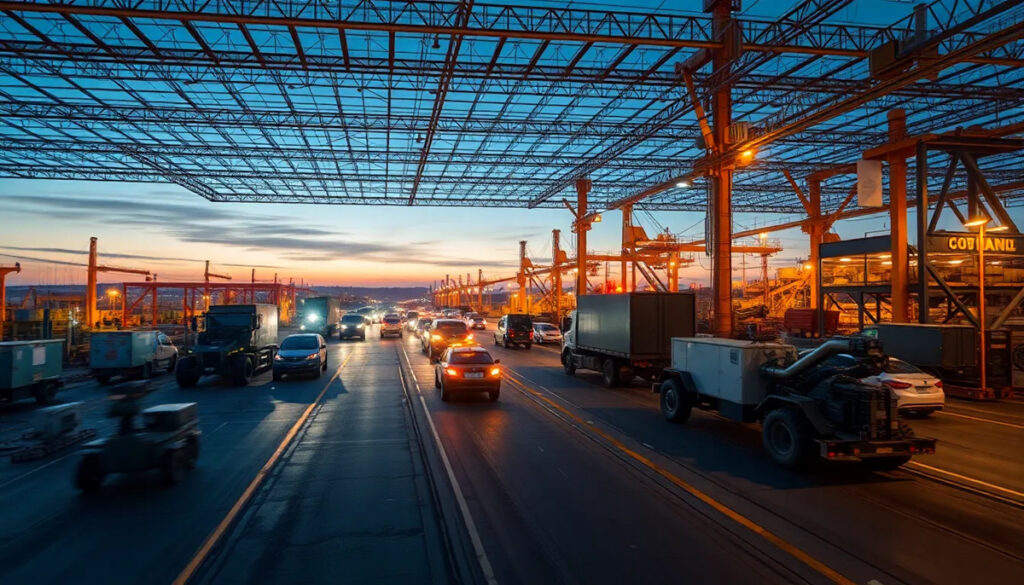
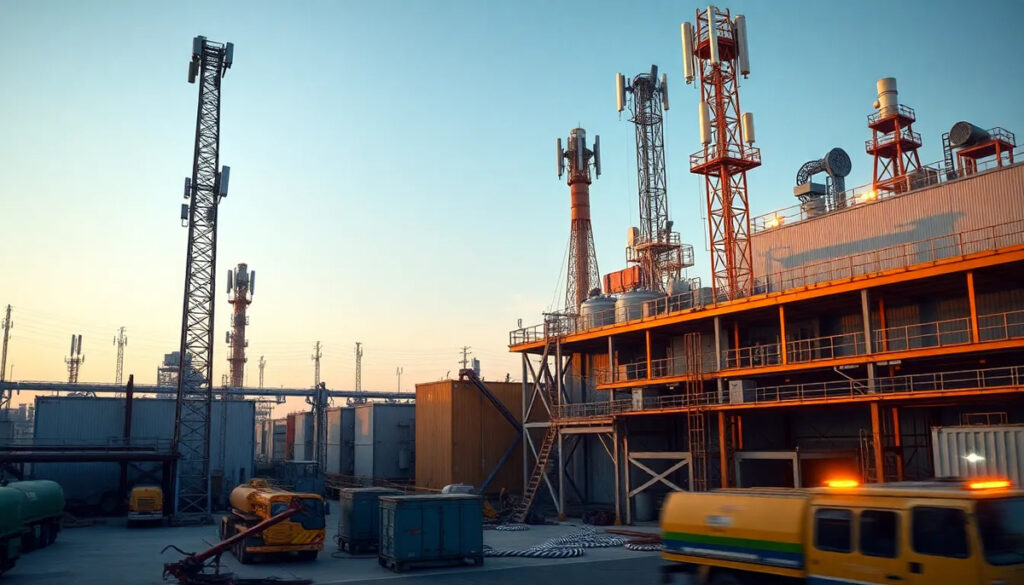
Efficiency is a touchy subject across the UK rail sector. Everybody wants it. Everybody talks about it. But real efficiency rarely happens without ruffling a few feathers, because it forces organisations to look at uncomfortable truths.
One of those truths is simple.
Rail lighting has been wasting energy and money for years.
Most rail sites still run lighting as if nothing has changed in decades. Flood everything with brightness. Leave it on for entire shifts even when areas are empty. Accept the energy bill. Accept the generator strain. Accept the light pollution. Accept the environmental impact. Accept the maintenance load.
But here is the contradiction.
Rail is under pressure to hit tighter budgets, reduce waste, justify environmental credentials and prove operational efficiency. Yet the lighting infrastructure, which burns a massive chunk of site energy, is still treated like a background afterthought.
Intelligent lighting exposes how much waste has been normalised across rail and critical infrastructure. Once operators see the contrast between static lighting and modern adaptive systems, it becomes impossible to justify the old approach.
This article breaks down the operational efficiency case in plain English and shows how intelligent lighting is becoming one of the easiest wins rail operators can take.
Rail Lighting Still Works Like It Did 20 Years Ago
Ask anyone on a rail maintenance team how lighting works on a night shift and you will get the same answer.
Everything goes on.
Everything stays on.
Nobody touches it until the shift ends.
Static lighting only has two modes. On or off.
Rail operations have thousands of modes in between.
Maintenance workers move between zones.
Possession limits expand and contract.
Temporary works shift by the hour.
Equipment relocates.
Plant moves.
Access routes change.
Sections of line go quiet while others get busy.
Yet the lighting does not respond to any of these changes.
This mismatch between static lighting and dynamic work patterns is the source of most of the inefficiency.
Where Rail Is Losing Money Through Outdated Lighting
Rail does not waste energy because it wants to.
It wastes energy because traditional lighting leaves no other option.
Here are the core inefficiencies.
Lighting Empty Space
Large parts of a rail possession zone often sit unused. Yet the lighting floods everything equally. Rail is lighting space instead of lighting work.
Overloading Temporary Generators
Temporary lighting rigs and towers put enormous strain on generators. High fuel burn, frequent refuelling, rising diesel costs and unnecessary wear. Intelligent lighting cuts output automatically when demand drops, reducing generator load significantly.
Maintenance Costs Rising Upstream
Static lighting runs at one fixed intensity for its entire life. This burns through bulbs, drivers and fittings far faster than adaptive systems that reduce output when it is not needed.
Environmental Reporting Under Pressure
Rail companies are under intense scrutiny for environmental performance. Static lighting creates avoidable emissions and unnecessary power draw. Intelligent lighting creates measurable reductions that directly support environmental targets.
These are practical inefficiencies, not theoretical ones. They affect budgets, resources, compliance and public accountability.
Where Intelligent Lighting Changes the Equation
Intelligent lighting changes efficiency by doing the one thing rail lighting has never been able to do.
React.
It responds to activity.
It adapts to usage patterns.
It makes decisions based on reality, not assumptions.
Real Time Power Adjustment
If a zone is quiet, lighting can dim.
If a team enters a section, lighting can increase.
If a work train approaches, lighting can change pattern.
If a possession area shrinks, lighting output reduces.
Offsetting unused output is the fastest way to cut waste.
Reduced Generator Load
Adaptive lighting draws only the power it needs.
This reduces generator load, fuel consumption, refuelling frequency and environmental emissions.
The difference is not minor. It can be dramatic.
Increased Lamp and Fixture Life
By lowering output when full power is unnecessary, lighting components run cooler and last longer. Maintenance teams have fewer failures to respond to and asset life extends naturally.
Better Visibility With Less Power
Static lighting tries to fix visibility by throwing more lumens at the problem.
Intelligent lighting improves visibility by focusing light where it matters and avoiding reflective glare on rail assets.
More visibility for less energy is the aim.
Data Driven Decisions
Intelligent lighting produces usage data.
Rail finally gets real insight into how lighting is used, when peaks happen, where waste occurs and how work patterns affect energy consumption.
This information leads to smarter planning and better resource allocation.
The Real Reason Rail Struggles With Change
The rail sector is full of experienced people who know how to run safe operations. But the sector also carries a lot of operational inertia.
Lighting touches a few sensitive nerves.
Rail Does Not Like Changing What Works
Lighting may not be efficient, but it is predictable. That predictability creates comfort, even if it is expensive.
Temporary Rigs Become Permanent Habits
Short term fixes become long term norms.
Lighting towers that should have been replaced stay in service because nobody wants to disrupt operations.
Fear of Disruption During Upgrades
Rail teams worry that lighting upgrades mean downtime or delays. Intelligent lighting is designed to avoid disruption by integrating with existing poles and infrastructure wherever possible.
Budget Silos Create Blind Spots
Lighting is often owned by one part of the organisation while the fuel budget sits somewhere else. Intelligent lighting highlights how disconnected budgets can hide inefficiencies.
These are cultural challenges, not technical ones.

What Efficiency Looks Like When Intelligent Lighting Is Done Properly
When rail sites move to intelligent lighting, the operational feel changes immediately.
Quieter Generators
Less load means less noise and fewer failures during possession windows.
Clearer Work Zones
Teams can see precisely what they need to see without being flooded by unnecessary glare.
More Predictable Night Operations
Operators stop worrying about variable conditions because lighting adjusts to support them automatically.
Lower Overall Running Costs
Fuel, maintenance, consumables and unexpected failures all reduce.
Better Reporting and Compliance
Energy reductions become measurable.
Environmental reporting becomes easier.
Sustainability targets become more credible.
Higher Crew Morale
Crews appreciate better visibility and fewer generator issues.
Night shifts become smoother.
The job gets easier.
The Future Efficiency Standard
Rail does not need lighting that shines harder.
It needs lighting that works smarter.
As intelligent lighting continues spreading across critical infrastructure, the pressure on rail to modernise will only increase.
Efficiency is no longer a buzzword. It is becoming an operational necessity.
Smart lighting is one of the simplest and most effective steps rail can take to reduce waste, cut costs and support crews.