If a network is expensive, it must be reliable.
That belief drives huge investment decisions.
Bigger infrastructure.
More powerful hardware.
Higher cost deployments.
It feels safe.
It often creates fragility.
Why cost and resilience get confused
Expensive infrastructure is designed to be strong.
High throughput.
Wide coverage.
Centralised control.
But strength assumes stability.
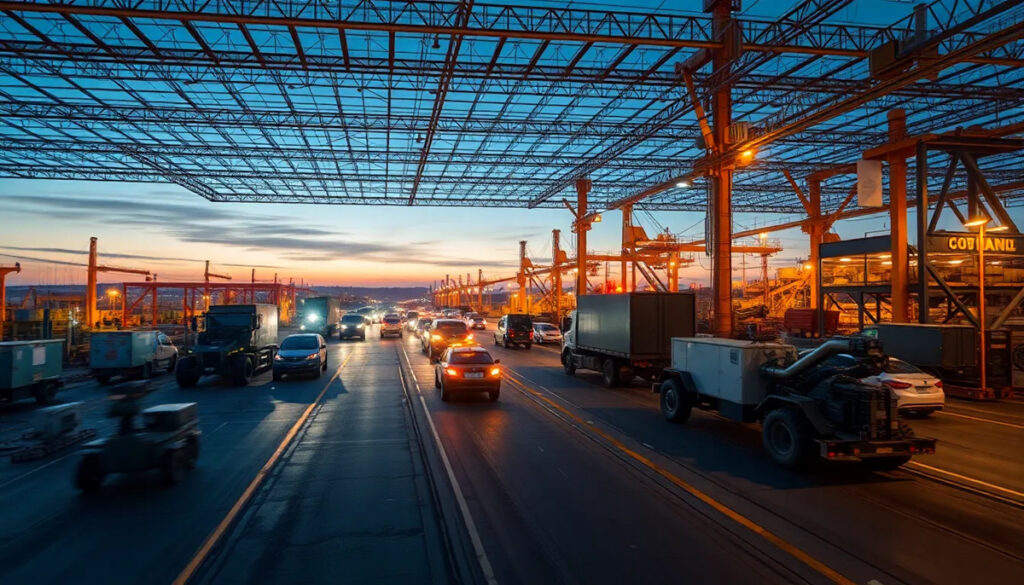
Industrial environments are not stable.
They are constantly changing.
The problem with fixed infrastructure
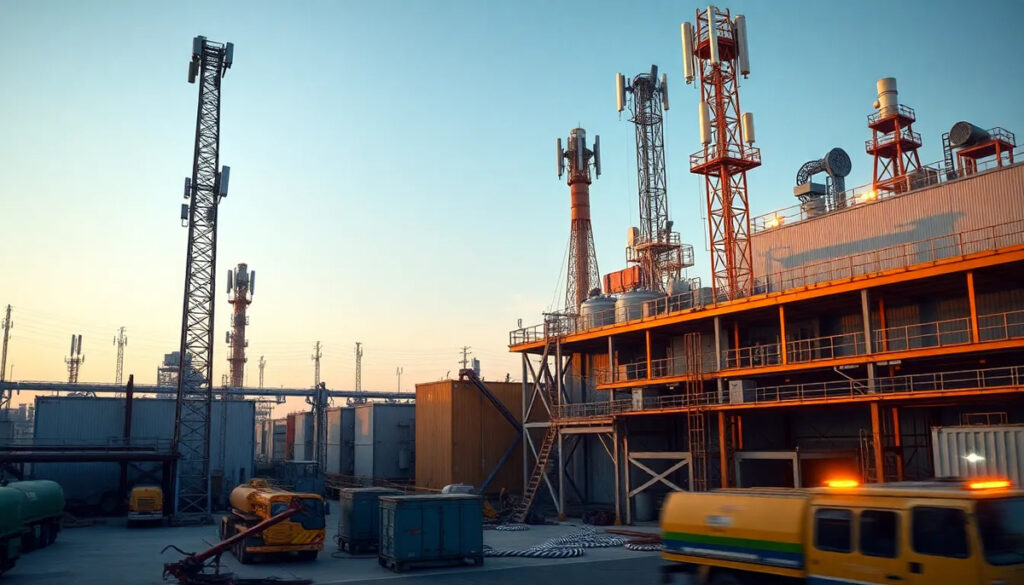
The more you invest in fixed infrastructure, the more your network depends on it.
And dependency creates risk.
When something changes:
Signal paths shift
Interference appears
Connections degrade
The network struggles to adapt.
The illusion of reliability
Most of the time, these networks appear stable.
That’s what makes them dangerous.
Failures don’t happen continuously.
They happen at the worst possible moment.
During movement
During peak load
During critical operations
Why redundancy isn’t enough
The traditional solution is redundancy.

Backup systems.
Failover paths.
But redundancy still assumes failure is rare.
In industrial environments, disruption is constant.
A different approach
Resilient networks are no longer built around one perfect connection.
They are built from many imperfect ones.
Multiple paths
Multiple connections
Continuous adaptation
If one path fails, another already exists.
Why this works better
Instead of relying on infrastructure, the network becomes distributed.
Devices contribute to connectivity.
Paths exist everywhere.
Failure becomes normal, not critical.
The result
More predictable performance
Better scalability
Less dependence on fixed points
Explore a different model
This is where distributed mesh networking changes how resilience is built.
Explore how distributed networks outperform traditional infrastructure
Planning a deployment?
If your network relies on fixed infrastructure, it will struggle as environments change.