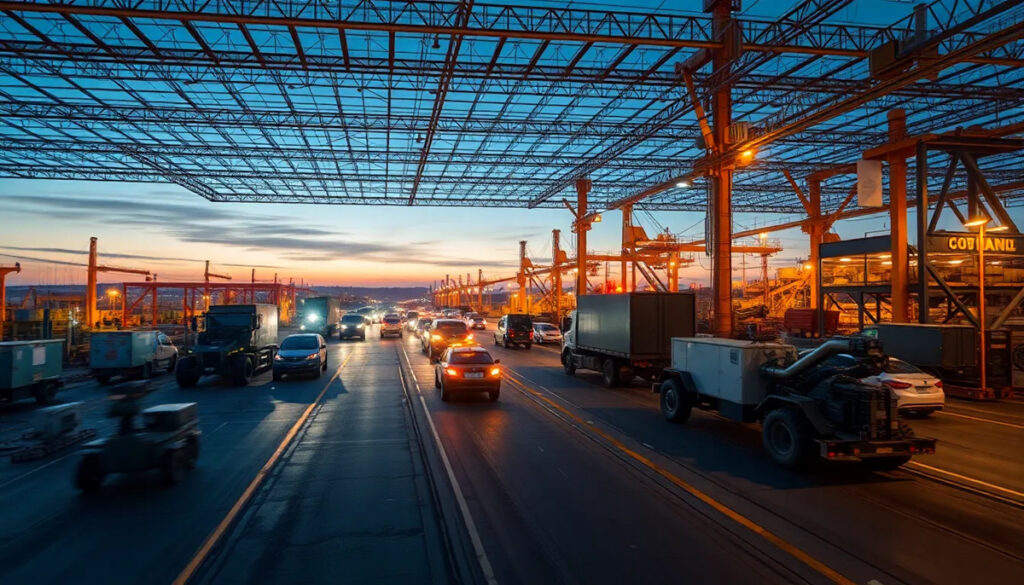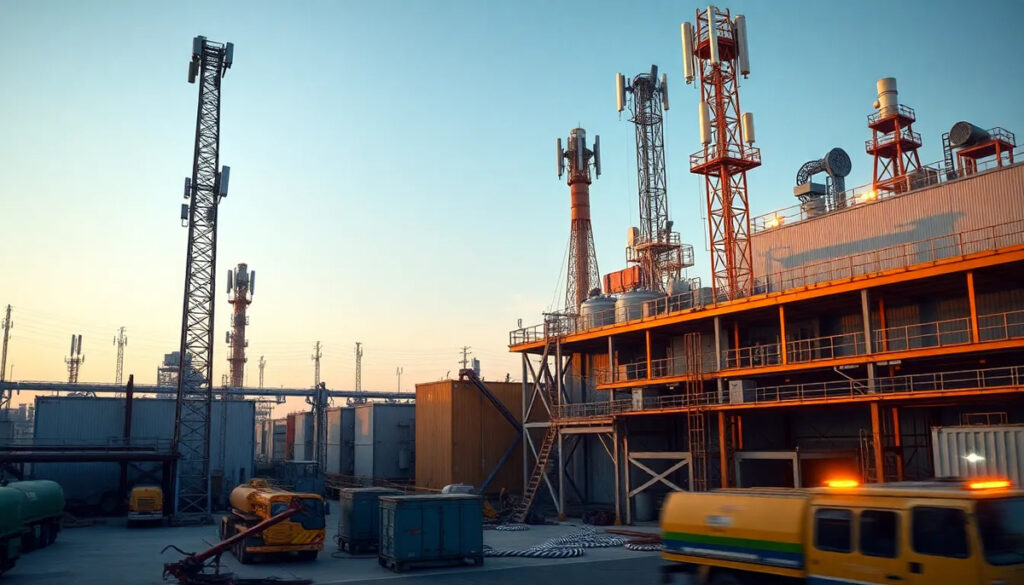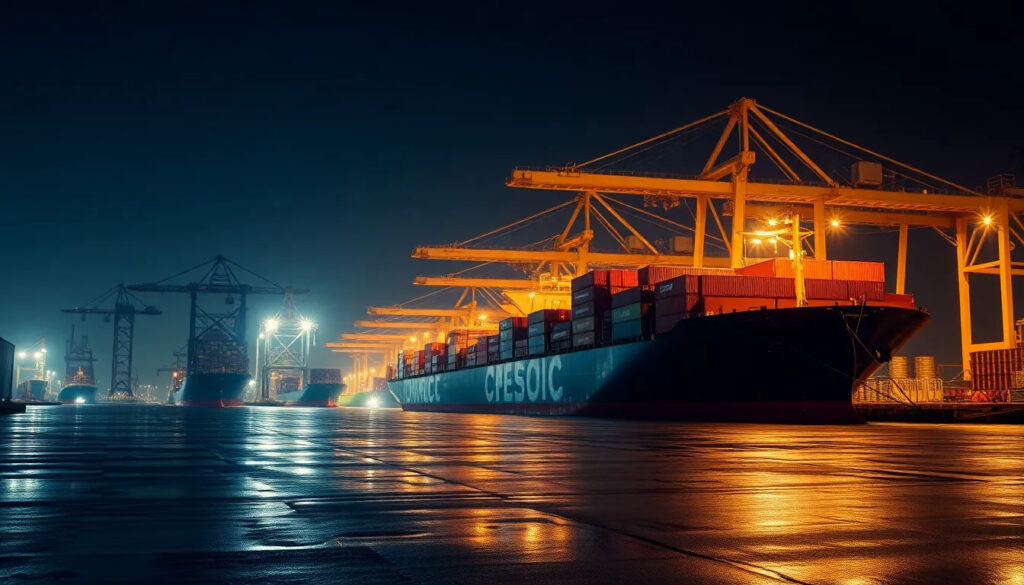
Ports are some of the most challenging working environments in the UK. Heavy machinery, container stacks, HGV flows, rail interfaces, cranes, unpredictable weather and constantly shifting layouts. Every shift brings new risks. Every night shift doubles those risks.
Visibility is the foundation of safety in a port. Everyone knows it. Yet most port lighting systems are still built around static designs from a very different era. They illuminate the ground but provide no awareness of what is happening on it.
That gap between what lighting does and what it could do is becoming too big to ignore.
Intelligent lighting is now stepping into the role that static lighting can no longer handle. It does not just light the site. It understands the site. It reacts to what is happening. It contributes to overall safety rather than letting people operate in pockets of uncertainty.
This article breaks down how and why this shift is happening, and why it matters right now for any port that operates day and night.
Ports Do Not Have Static Risk
If you sit down with any port safety team, you will hear the same thing. A port does not run on predictable patterns. Traffic flows change by the hour. Container stacks move constantly. Equipment relocates. Weather turns in minutes. Risk is fluid.
Yet the lighting that is supposed to support visibility stays locked in place. Traditional port lighting works on the assumption that the site is stable. But ports are rarely stable, and that mismatch causes blind spots and near misses that nobody talks about until something goes wrong.
Intelligent lighting closes that gap. It behaves like part of the operational team rather than a background utility. It sees, analyses and reacts instead of simply flooding the area with light.
How Intelligent Lighting Changes Situational Awareness
Intelligent lighting brings three big shifts that static lighting cannot match.
Lighting Becomes a Sensor Layer
Modern lighting fixtures can include motion detection, pattern recognition and integration points for sensors. They can highlight movement in areas that operators cannot see. They feed real time awareness into the operation rather than making people guess.
Lighting Becomes Adaptive
Instead of lighting the entire yard at one fixed intensity, intelligent systems adjust brightness based on activity, weather and risk. High risk zones get more illumination. Quiet zones dim. Visibility becomes dynamic instead of fixed.
Lighting Supports Other Safety Systems
When lighting can communicate, it fits directly into CCTV, access control, radio systems, detection systems and movement tracking. It amplifies what those systems are doing rather than sitting isolated.
Combined, these shifts turn lighting into a genuine safety asset rather than a disposable commodity.
Real Risks That Intelligent Lighting Can Reduce
The biggest value of intelligent lighting in ports is reducing the very incidents that come from poor visibility or blind spots.
Here are the real issues it addresses.
Vehicle and Pedestrian Conflicts
Ports are full of moving vehicles that do not share predictable routes. Forklifts, reach stackers, tugs, HGVs and small on-foot teams all compete for space. Static lighting often creates shadows that hide movement. Intelligent lighting highlights movement and exposes risk areas early.
Container Movements
A shadow falling in the wrong place can hide a container shift or a suspended load. Intelligent lighting increases contrast and reduces blind patches when cranes or stackers operate in complex patterns.
Restricted Sight Lines
Container stacks create canyons. Static lighting struggles with depth and contrast. Intelligent systems adjust output per zone, raising illumination where shadows build and dimming where reflections become a problem.
Weather Complications
Fog, rain, mist, spray and reflective surfaces all distort visibility. Intelligent systems compensate for these conditions automatically instead of relying on manual adjustments or hope.

Why This Matters for Port Operators
Ports operate on tight timelines. Delays, incidents or near misses all cost money, reputation and sometimes far more.
The shift to intelligent lighting matters because it delivers three benefits that ports have been missing.
Better Operational Confidence
When lighting supports situational awareness, operators make faster and more confident decisions. That means fewer slowdowns and fewer moments of uncertainty.
Reduced Incident Risk
Most night-time incidents in ports come down to one factor. Someone did not see something early enough. Intelligent lighting pushes more information into visibility and reduces those blind moments.
More Consistent Night Operations
Night work often runs slower because teams do not trust what they can see. Intelligent lighting narrows the gap between day and night productivity by giving crews far clearer visual information.
The Pushback and Why It Happens
Intelligent lighting always triggers a reaction. Some people welcome it. Some resist it. The resistance usually comes from three places.
Infrastructure Inertia
Ports rely on long running assets. Lighting poles and fittings stay in place for years. Changing them challenges old assumptions and long held maintenance patterns.
Unease About Revealed Blind Spots
The honest truth is that some operators are nervous about technologies that might highlight risk they have learned to work around. Intelligent lighting removes that comfort zone.
Cost Concerns
Some ports still think lighting upgrades are about swapping bulbs. Intelligent lighting is not a bulb swap. It is a safety investment, and safety investments always raise questions.
But the ports that push through it gain an advantage that is hard to ignore. A safer, more aware site that supports crews instead of leaving them to work in uncertain conditions.
What This Means for the Future of Port Safety
The future of port safety is heading towards systems that actively participate in the operation. Lighting will not be separate from safety plans. It will be part of them.
As intelligent lighting spreads, ports will see:
Better visibility during complex lifts
More accurate tracking of people and vehicles
Improved synchronicity with cameras and alarms
Reduced energy waste
Safer night shifts and fewer blind risks
The ports that adopt this early will set the standard for the rest of the industry.
Conclusion
Ports cannot afford passive visibility. They need lighting that adapts, detects and supports the operation in real time. The shift to intelligent lighting is already underway, and the ports that embrace it will run safer, more efficient and more predictable night operations.