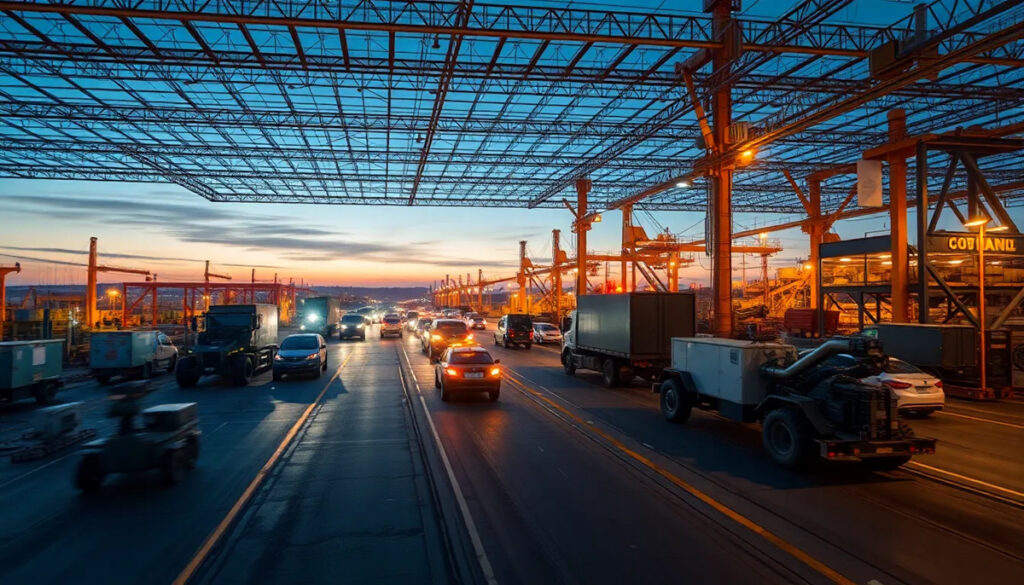
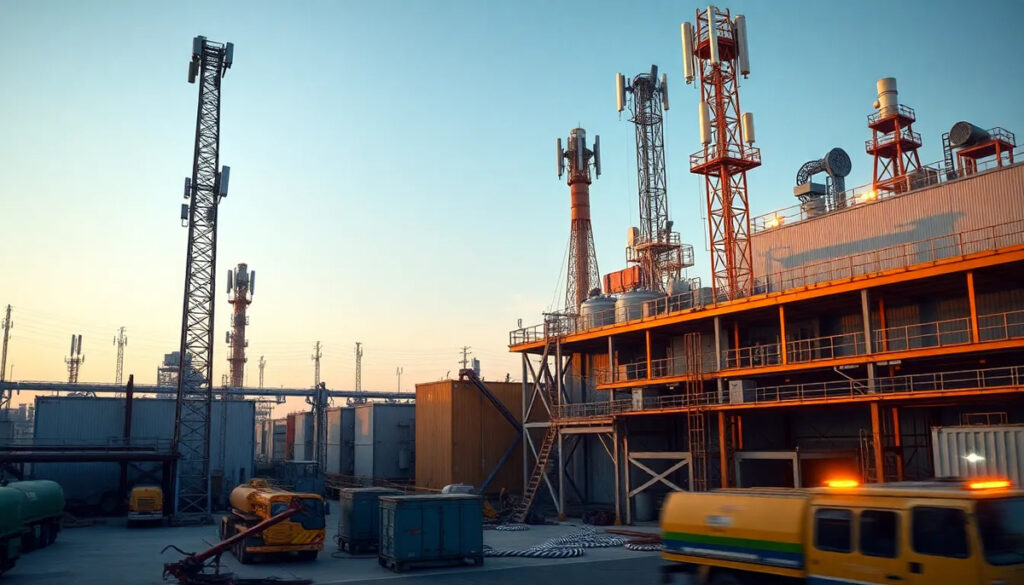
Modern ports are under immense pressure. Throughput demands are rising, labour shortages persist, emissions targets loom, and margins continue to shrink.
In the middle of this storm are port vehicles—tugs, stackers, tractors, shunters—that make or break the flow of containers, cargo, and commerce. Many of these machines are mechanically sound. But they’re digitally stuck in the past. No autonomy, no connectivity, no intelligence.
Buying new autonomous fleets from OEMs isn’t a realistic option for most port operators. The cost, deployment delays, infrastructure overhauls, and vendor lock-in make it a painful road to navigate. And worse, it ignores one simple fact: the existing equipment isn’t broken. It just needs to evolve.
This is where retrofitting autonomy comes in—and where ports can gain a competitive edge without blowing the capex budget.
What Does Retrofitting Autonomy Mean in a Port Context?
It’s simple. You take a port vehicle—say, a terminal tractor, reach stacker, or tug—and upgrade it with:
-
A drive-by-wire system to control steering, throttle, brakes, and gear shift electronically
-
Navigation sensors like LIDAR, GPS, radar, and cameras for awareness
-
Autonomy software to plan, steer, and respond to the environment
-
Wireless mesh networking to stay connected at all times
-
Backhaul connectivity (Starlink, Peplink, fibre, etc.) to relay data back to control
-
Industrial cybersecurity to protect it all
The result is a vehicle that doesn’t just drive—it thinks, learns, and connects.
Why Ports Are Ideal for Retrofitted Autonomy
Ports tick every box for successful autonomy deployment:
-
Defined Environments: The layout is structured. Routes are known. Hazards are predictable.
-
Repetitive Tasks: Vehicles perform repeatable operations that are easy to automate.
-
Private Land: Unlike public roads, there are fewer legal and regulatory hurdles.
-
Labour Pressure: Recruiting and retaining skilled drivers is increasingly difficult.
-
Emissions Mandates: Electrification and automation help meet green targets.
And most importantly—ports are already full of equipment that still has decades of mechanical life left. Why scrap it?

Real Benefits Being Delivered Today
Faster Turnaround Times
Automated tugs and tractors operate 24/7, without shift breaks or human error. Containers get moved faster. Idle time drops. Throughput increases.
Improved Safety
Autonomous vehicles remove personnel from high-risk areas. AI-powered navigation systems detect and avoid collisions faster than humans.
Operational Visibility
Live data from each vehicle feeds into a central dashboard—showing location, performance, battery levels, load stats, and more. Decision-making becomes proactive, not reactive.
Lower Lifecycle Costs
Retrofitting costs roughly 20–30% of buying new. Deployment takes weeks, not years. And your mechanics already know how to maintain the vehicles—no expensive retraining needed.
Sustainability
Keeping equipment in use rather than scrapping aligns with ESG goals and circular economy principles. It’s also a fast win for reducing scope 1 emissions.
But What About the Challenges?
Let’s be blunt—retrofitting is not plug-and-play. It needs planning, engineering, and system integration. Not every vehicle is compatible. Not every site is ready.
But if you work with the right integrator, those problems get solved. You get a tested solution that includes:
-
Vehicle assessment and retrofit design
-
Mesh and backhaul network architecture
-
Cybersecurity design
-
Remote monitoring and support
-
Full operator training and handover
You don’t just get a kit. You get a system that works in the real world.
Use Cases Already in Motion
-
Shunting Tractors: Autonomous movement of trailers between terminals and storage areas
-
Reach Stackers: Safe, automated container handling without manual intervention
-
Tugs and Tow Tractors: Precision vehicle movement across large yards
-
Support Vehicles: Autonomous movement of maintenance, inspection, or cleaning vehicles
These aren’t future dreams. They’re being deployed now.
Final Thoughts
Ports don’t need to wait for the OEMs to catch up. You already have the assets. You just need the upgrade path.
Retrofitting autonomy gives you the tools to compete—today. It gives your team data, insight, control, and the freedom to scale when you’re ready.
The future of port automation won’t be built from scratch. It’ll be built from what you already own.